Blog

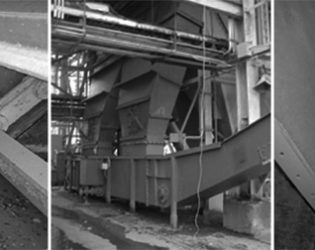
A Primer on Coal Ash Handling Systems

In 2007, the United States produced over 131 million tons of coal combustion products from the nation’s 1,308 coal-fired power plants. This 131 million tons of residuals must go somewhere, and has to be handled in a precise, controlled manner – especially ever since the EPA, under the Obama administration,… Read More
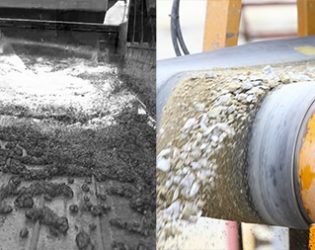

Coal Ash Handling Problems Continue for One Utility

Earlier in October, a Southern utility was dealt another setback by the courts when a U.S. District Court judge rejected the energy company’s latest motion to dismiss claims from environmentalist groups. The decision continues a legal action initiated against the utility by the Yadkin Riverkeeper and Waterkeeper Alliance, regarding claims… Read More

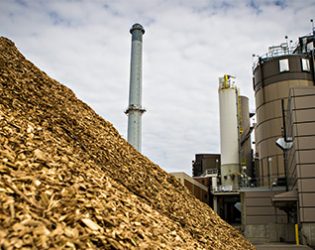
New Material Can Improve Biomass Combustion Efficiency

According to researchers in Sweden, a new material used in biomass beds can increase efficiency of waste while decreasing costs for biomass boilers. The bed material – metal oxide – could be a replacement for sand and other conventional materials used in beds for boilers, based on its oxygen-carrying properties…. Read More

The Real Cost of Poor Coal Ash Handling

What is the true cost of poor coal ash handling procedures and systems that aren’t up to current standards? Try $102 million. That’s the total number a utility company in the South paid to the EPA in February, 2015 for coal ash contamination in an alleged 14 coal ash storage… Read More

Biomass Co-Firing and CHP to Become Larger Part of Market

Market research on the biomass power generation market by a market research firm suggests that not only will biomass rapidly expand as a power source by 2022; a significant portion of the growth will come in the form of co-firing and CHP projects. The report suggests that the dominant form… Read More

Analyzing the Supreme Court’s MATS Ruling and the CPP

Earlier this month, we wrote on the U.S. Supreme Court’s ruling on the Clean Air Act’s mercury and air toxics (MATS) provision and how that can impact energy producers. To recap, the Court ruled against the EPA, citing the fact that the agency did not factor costs into consideration when… Read More

Why Your Company Needs to Understand the Clean Power Plan

Times are changing for the energy industry. The advent of biomass over the past decade – while not completely commonplace or even a major contributor – has helped to threaten the traditional power producers, as have other alternative forms of energy. Plus, the Obama Administration’s focus on limiting and reducing… Read More